
How much does a website cost in Madeira
The price of a website in Madeira is decided by four things: how many pages it has and what content goes in them, whether photography and video are produced on purpose or come from a stock library, whether it is a closed project or ongoing support, and whether there is ad spend on top. Original production is by far the variable with the most weight: two websites with the same number of pages can have very different prices because of it alone.
This article has no price table. It has the criteria we use to close a proposal, so you can walk into any conversation with an agency knowing what to ask and what to compare.
The four variables that decide the price
Any serious quote for a website starts from these four decisions. When one of them is left unclear, that is where the mid-project surprises come from.
Scope
Scope is the list of what the website has to do. It is not just the number of pages: it is what each page has to carry. A product catalogue, a booking engine, multi-step forms, a client area or versions in several languages all add structure, writing and testing work.
The decisions that move the price the most are concrete. Five pages versus twenty-five. A menu as a PDF versus a menu on its own page, which Google can read and which updates without sending files around. One language versus three, knowing that each new language means new copy, new review and new pages to maintain.
In Madeira, languages weigh more than on the mainland. A guesthouse or a tour company sells mostly to people who do not read Portuguese, and a Portuguese-only site leaves most of its audience out. It is a decision best made at the start, because adding languages later means revisiting the whole structure.
Production
This is the variable with the most weight, and the one that causes the most confusion in quotes. Photography and video shot on location mean team time, travel, equipment and post-production. A single shoot day can weigh more than the rest of the website put together.
The practical difference shows on the first screen. A website with stock photography shows a nice room that could be anywhere. A website with photography made on purpose shows that restaurant's dining room, the view from that bedroom, the face of whoever greets you. Visitors cannot say why, but they notice.
In Madeira's tourism and restaurant sectors, the first option pays for itself. People choosing where to eat or stay decide by the pictures, and compare them with what they find on booking platforms and in reviews. If the website's photos are weaker than the ones taken by guests, the website loses that comparison.
Not every business needs a shoot. A garage or a clinic can start with the material it already has and produce more later. What matters is that the decision is made in the open, not hidden inside a single figure.
Duration
A website can be a one-off project, delivered and closed, or ongoing support with a fixed monthly scope: updates, new pages, performance reviews, copy tweaks. The two models are priced differently because they solve different problems.
What few people count is the long-term bill. A website that does not end on delivery day, that keeps being fixed, updated and measured, is cheaper to maintain than an abandoned one that has to be rebuilt two years later. Rebuilding means paying again for structure, design, copy and migration, and often losing Google positions along the way.
There is no right answer for everyone. There is the right answer for the pace of each business.
Media spend
This variable is not part of the website, but it almost always comes up in the same conversation. When a website is built to receive paid traffic, there are two separate bills: the fees of whoever creates and runs the campaigns, and the ad budget, which the client pays directly to the platforms, such as Meta or Google.
It is the most common confusion. A quote that mixes the two makes it impossible to see how much goes to ads and how much stays with the agency. At our digital marketing agency in Funchal, the two are always kept separate, in writing.
Three projects, three different scopes
Three websites from our portfolio, described by what they had to do rather than what they cost.
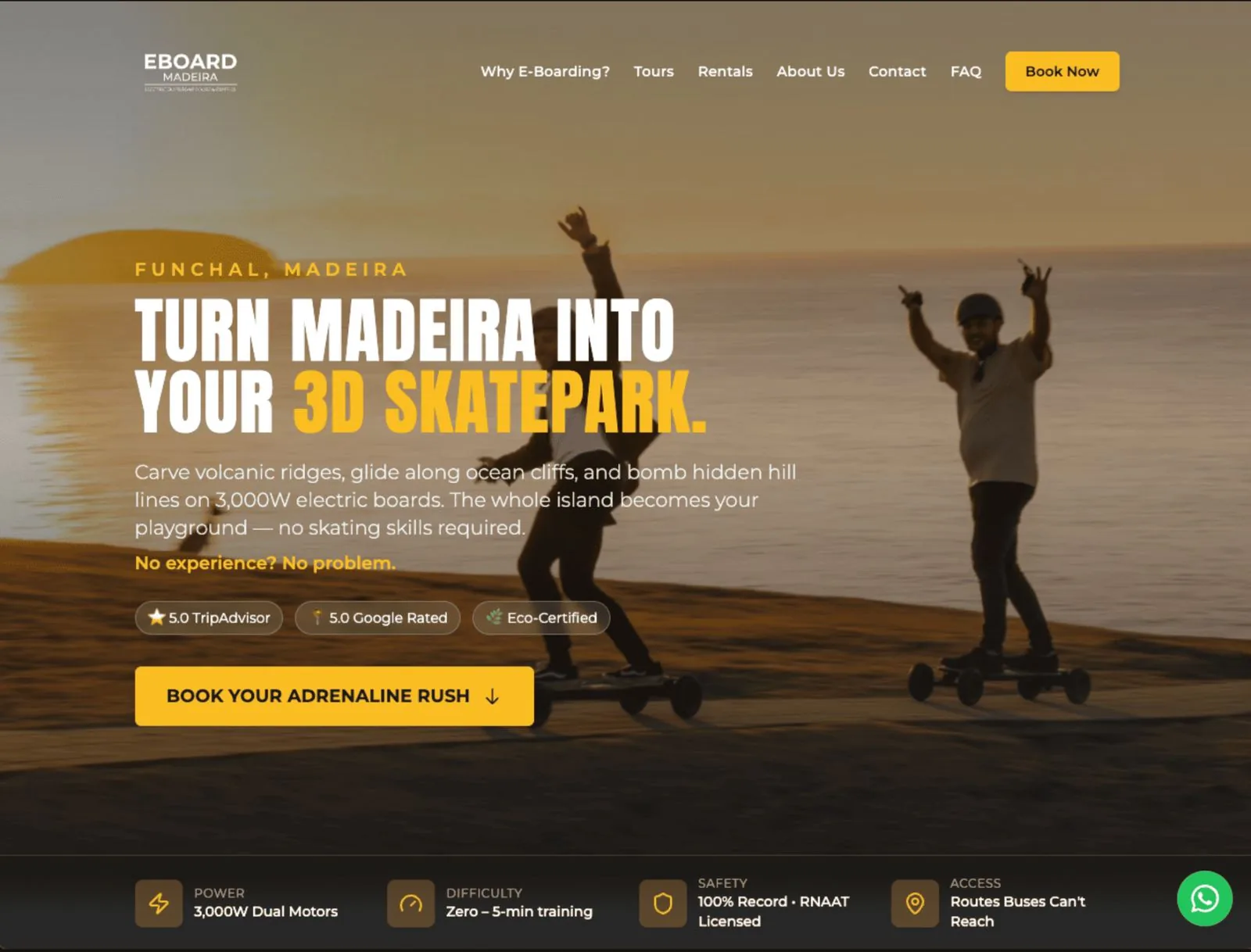
EBoard Madeira
A tour company that needed to explain the experience and receive booking requests. We defined the page structure, wrote the content for people who do not know the island or read Portuguese, and built the site with the booking request always in view. Each tour answers what it is, how long it lasts, what is included and who it suits. See the EBoard Madeira case.
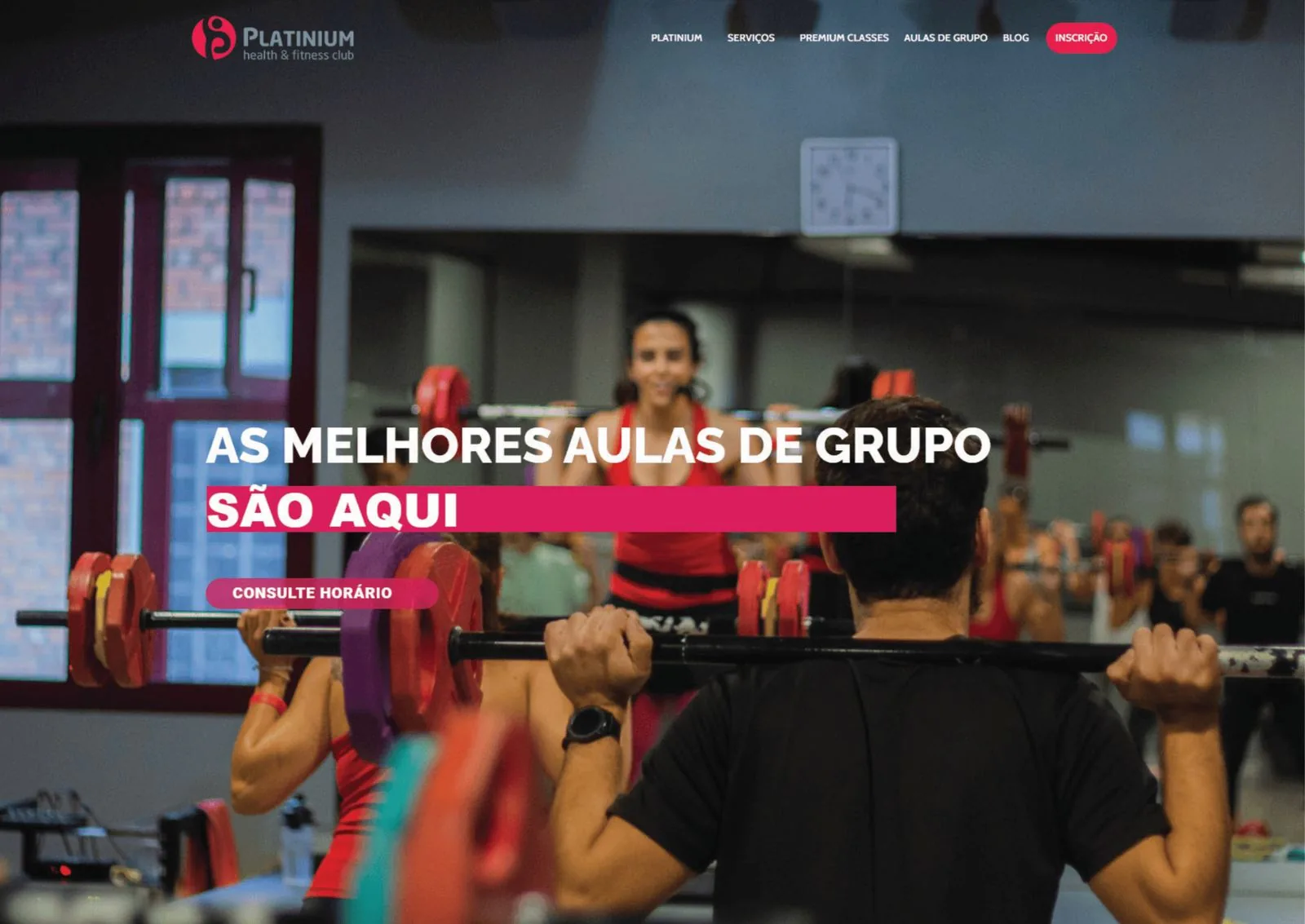
Platinium Club
A fitness club with two problems: information that changes, such as timetables, classes and sign-up, and a lot of social media communication. The scope combined a website organised around the questions people keep asking, with timetables in text the team can edit, and a system of graphic templates to announce classes and events without losing the visual line. See the Platinium Club case.
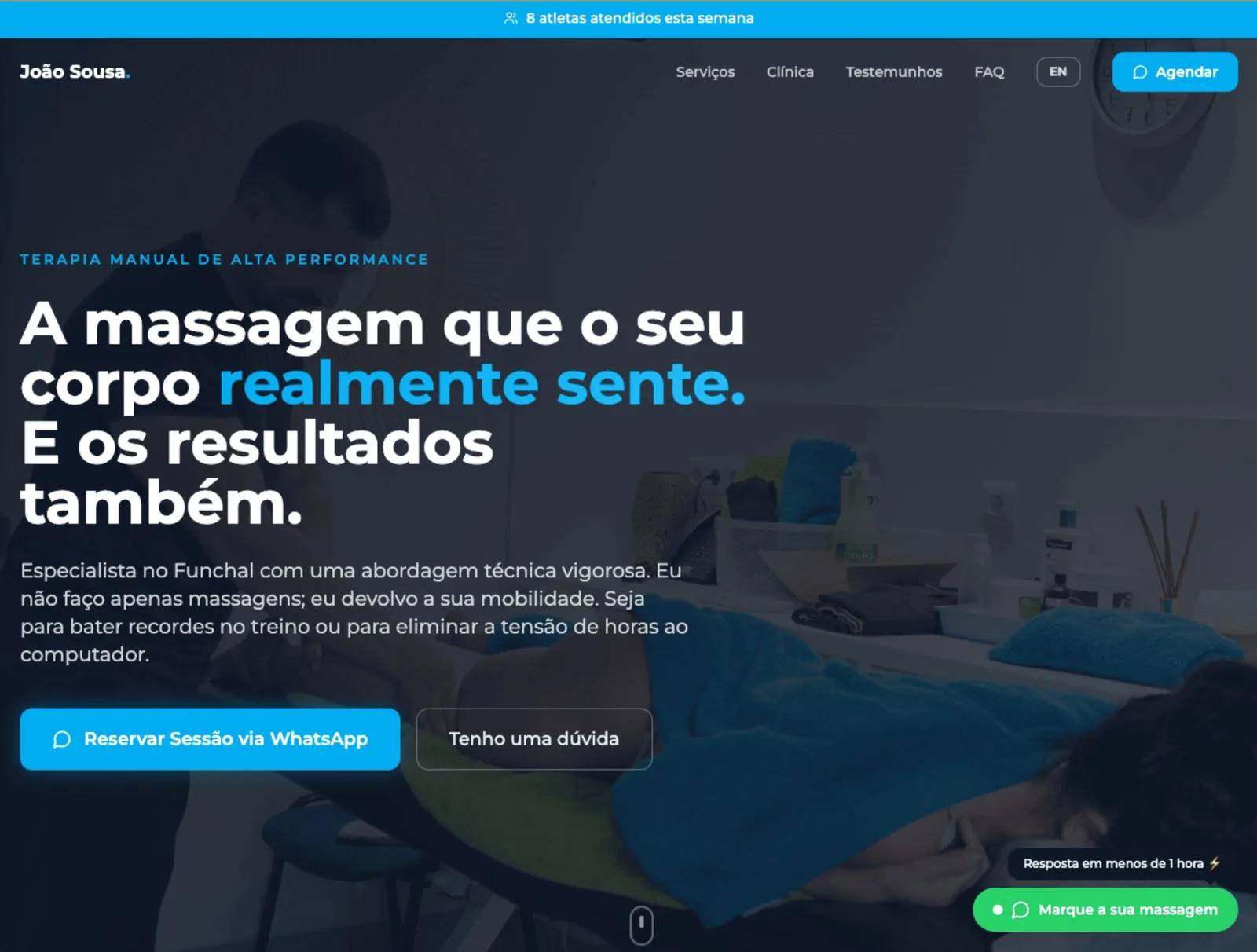
Massage by João Sousa
A therapist who needed to present his services, explain prices and make direct booking straightforward. The scope was a website that is easy to consult, with the essential information before the first session and a clear path to booking. See the João Sousa case.
Three businesses, three scales. None would have been better served by a package identical to the other two. That is why our website design work always starts with scope, and only then with design.
What makes a website more expensive without adding value
Some costs show up in many quotes without bringing in a single extra enquiry.
Animations that slow down loading.
They look modern in the presentation and cost visits on mobile, where the connection does not always help.
Pages made for Google rather than for people.
Dozens of near-identical pages, each with the name of a parish, that nobody reads and that Google has learned to ignore.
Stock photography visitors have already seen.
The same pool, the same dish, the same handshake on another website in the same search.
Features nobody uses.
Chat, client area, newsletter, all paid for and set up, with nobody on the business side to answer them.
Rebuilding the website every two years.
Almost always because of missing maintenance, not because the website got old.
What is always included
Some things are never an extra on a website we build, whatever the scope:
- A structure Google can read: titles and descriptions per page, clean URLs, sitemap and robots.
- A mobile version, built first and tested across screen sizes and browsers.
- Optimised images, so the site opens quickly even on a weak connection.
- Structured data, so Google understands who the business is, where it is and what it does.
- A secure HTTPS connection.
- Training so the team can edit text, images and simple pages without depending on us.
Each stage is described in detail on our websites service page.
Why we do not publish a price table
It is the question that brought many people here, so it deserves a direct answer. Every project is different, and a number out of context does more harm than good: it scares off people who had the budget for what they need, and attracts people who do not, because it promises what does not fit.
We prefer another route. A free twenty-minute conversation to understand what the business needs. Then a written proposal with a closed scope, what is in and what is out, and a price that holds until the end of the project. The whole process is explained on our How it works page.
Frequently asked questions
A landing page is usually ready in one to two weeks. An institutional site of five to eight pages takes two to four weeks. An online shop takes longer, because it depends on the catalogue and payment methods. What delays things most is usually approvals and content arriving from the client side.
Less than you think. It helps to have your logo, access to the domain if there is one, and a clear idea of what you want visitors to do: call, book or ask for a quote. We write the copy and review it with you.
Yes. We hand over the website with a training session and leave the structure ready for you to edit text, images and simple pages without calling us.
It depends on the sector and the quality of what already exists. In restaurants, accommodation and tourism, photography made on purpose usually makes a visible difference. In other cases, existing material is enough to start and production can come later.
Old addresses that get visits or links are redirected to the matching new pages, so what was already earned is not lost. At launch we set up Search Console, which shows whether any page was left out.
Related
Keep reading
If you are thinking about a new website, or about rebuilding the one you have, the next step is a conversation. The diagnosis is free, takes 20 minutes, and at the end you know which scope makes sense for your business, before any proposal. Book the free diagnosis.